In the Summer of 2025, Rev. Kari Olson and her husband, Jason Anthony, made a $20,000 gift to The Common Place to further our food sovereignty initiatives. TCP appreciates that Kari and Jason have also been willing to step outside their comfort zones, and allow us to publicize this gift in the hopes that it will spark generosity and thoughtful, planned giving conversations to whatever nonprofits are near and dear to your heart.
The following is an excerpt from a conversation between Kari, Jason, and Ashley Rossi, Director of Donor Relations at The Common Place.
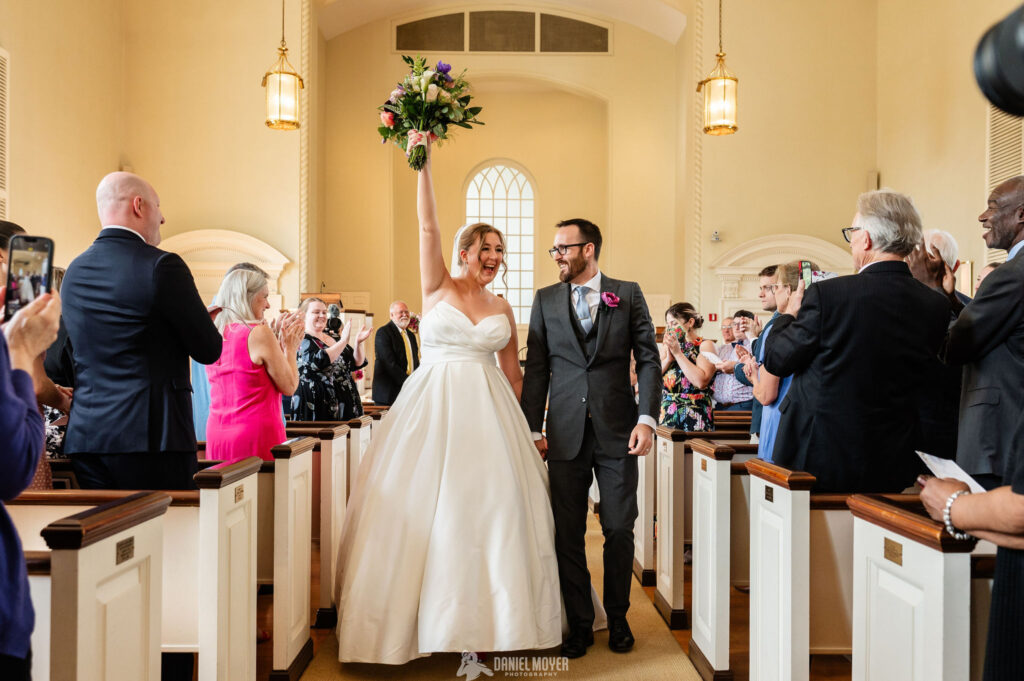
Ashley: Tell me about your decision to use your wedding as an opportunity to give back.
Kari: Jason felt especially strongly about it. It first came up when we were trying to figure out wedding registry stuff, Jason had the idea to have some kind of donation to an organization that does good in the community as something to “gift” on the registry. Since we were both in our mid-30’s, already living as adults; we already had what we needed for a house…
A: You didn’t need another gravy boat.
K: Exactly. We were getting rid of things. As we were saving up for the wedding, I think Jason at one point said, “You know, we’ve been setting aside this amount of money for months to save for the wedding, and I’m not really feeling it. I don’t feel like we’re sacrificing our quality of life. So what if when the wedding is done, we could just keep setting aside that amount of money to build a giving goal, a chunk of money we could give away?” We were already used to not using that money, so we didn’t need to incorporate it back into our budget for ourselves…
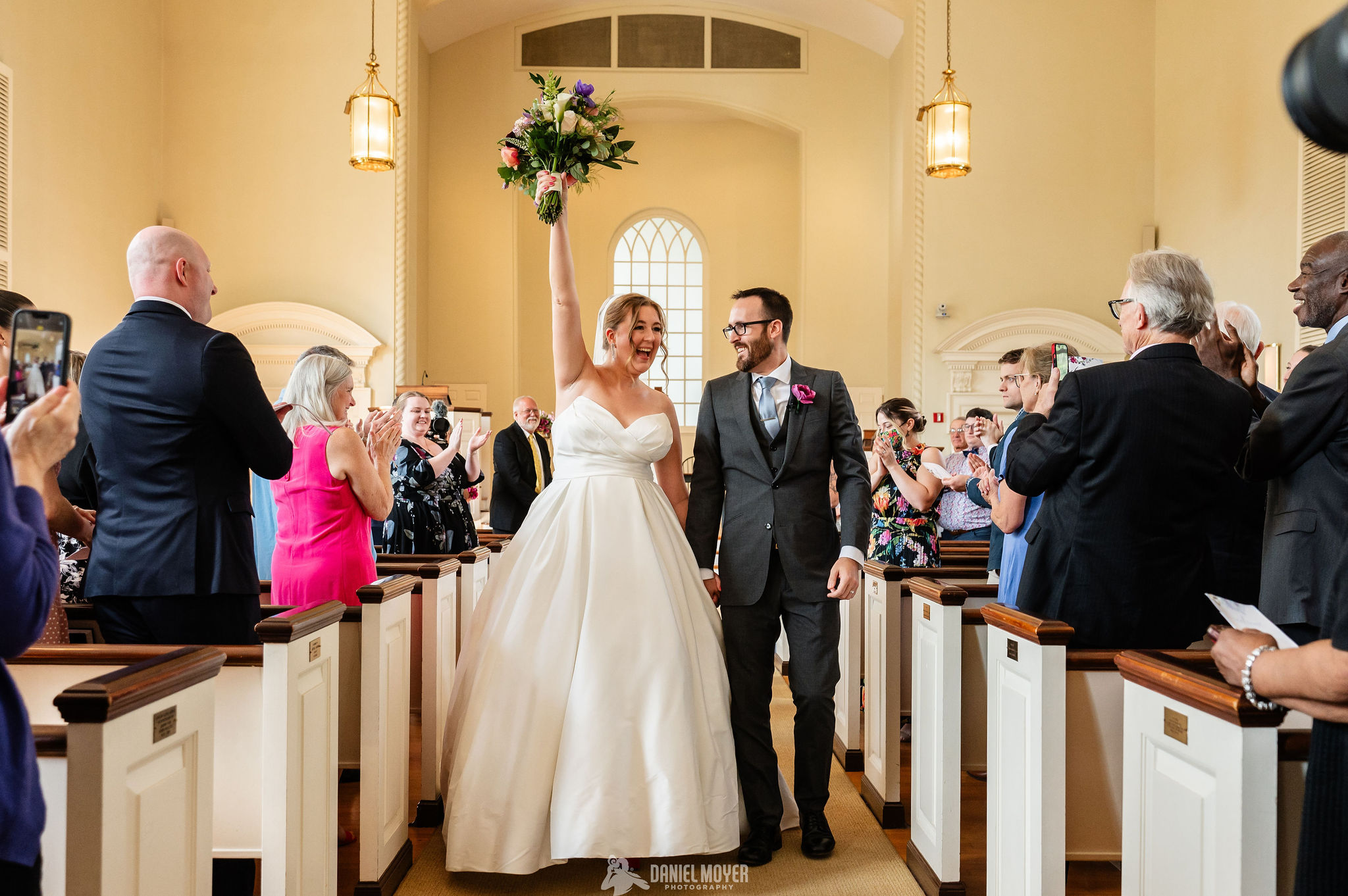
Photo credit: Daniel Moyer Photography.
A: What made you want to donate to The Common Place specifically?
K: We know that you all have vision and you’ve been working steadily with what you’ve got. So when I called you up a year before the wedding and I said, “Okay, if we were to give you a gift of around $20,000, what would you do with it?” You had things in the works. You have ideas and vision and you’ve been building the capacity to use funding. And it will make a difference for you where it would be a drop in the bucket for some other organization.
Jason: The Common Place resonated with me, because I’ve always been a big fish, small pond kind of person. I mean, it’s like where I work. I work in a small hospital, but I feel like the stuff I do there – the differences are felt, where in a big system, I feel like it just kind of gets lost in the wash. Giving to The Common Place felt the same way.
K: For us, it’s not just like, “We’ll just drop 20 grand here, whatever!” We worked and saved up for that for a year. If we’re going to be intentional in limiting our budget in other ways because we want to prioritize this, then we want to know that it’s going to make an impact. Honestly, the relationships are a big piece of it too. We know you, we know Chris; I feel connected enough with The Common Place, because you guys are so engaged with the Presbytery as well, that I feel like I have a sense of who you are and what you’re doing. I’ve always cared a lot about education, and I know that’s been a big piece of The Common Place. Then the food piece has kind of grown as you realized you can’t teach hungry kids.
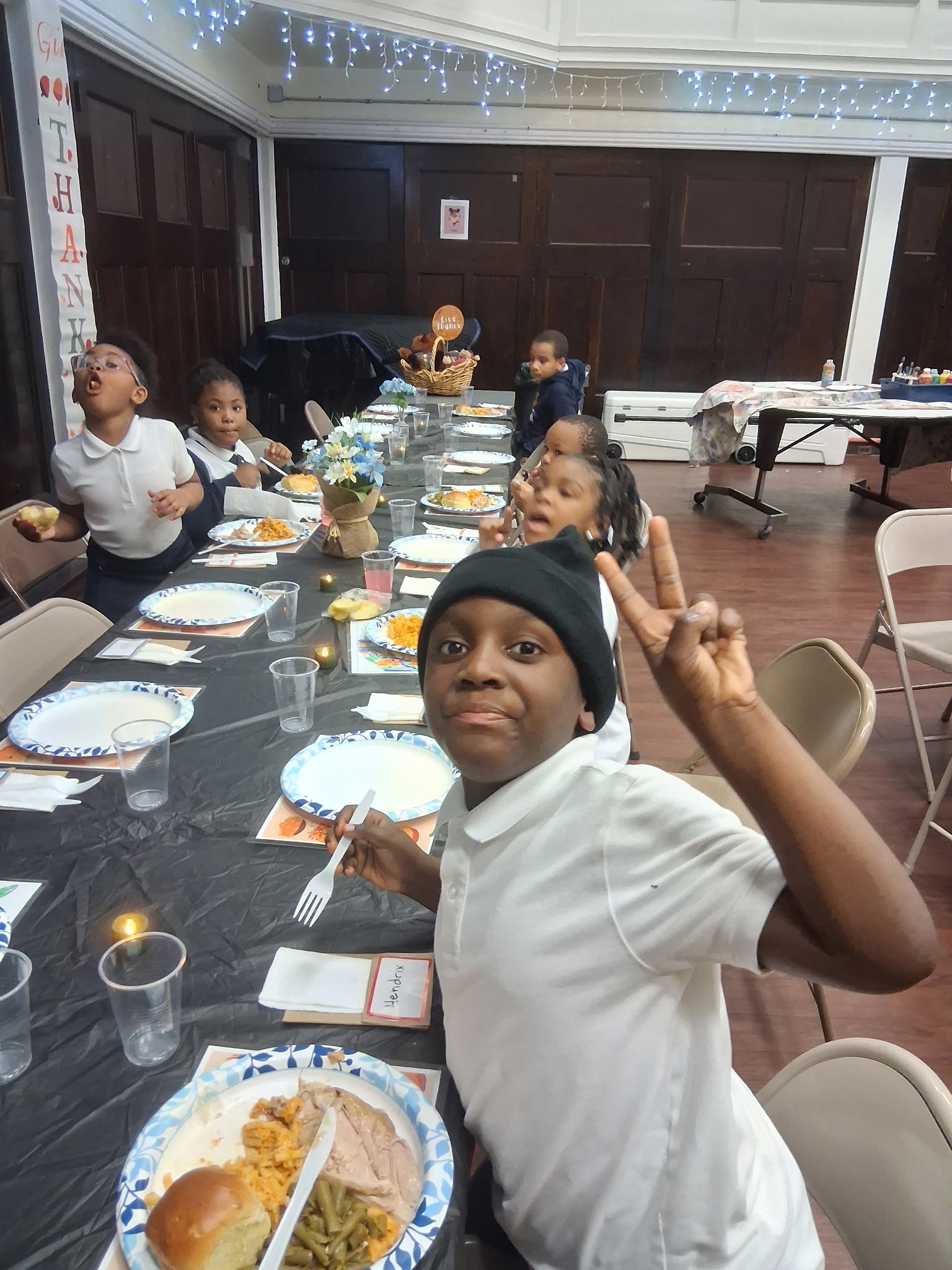
J: I saw more of this when we actually visited with Chris. I saw what it looks like and what you guys are doing. One major life roadblock I experience is that I often feel like I need to have all the pieces in place, or a perfect plan before I start doing something. At The Common Place, you guys just start something, maybe without all the pieces in place, to see where it goes and figure it out along the way. And not in a reckless way; it’s just that if you wait until all the pieces are in place and everything’s perfectly lined up, you’re never going to do anything. Sometimes you’ve just got to rip off the Bandaid and go. The way the Common Place does this is really inspiring to me.
K: You’ve got to start giving people some food rather than wait until you’ve got the whole system all figured out, right?
A: Building the plane as we fly, as Chris often says. So, yes, there is an element of that. The food justice side of it appealed to you, Jason, in terms of health and wellbeing?
J: Yeah, I think the thing about The Common Place’s food justice initiatives that really resonated with me was the practicality. I just really love the gritty, scrappy creativity that it takes to grow food in the middle of the city. I learned about Maslow’s hierarchy of needs in nursing school, and it always stuck with me as a kind of guiding principle of how to prioritize things. If we’re not taking care of immediate life threats, basic needs, safety, etc, we can’t even begin to think about more aspirational needs we have as humans: community, connection, education, belonging, etc. So I feel like the food justice stuff that the commonplace is doing is just so wonderfully practical, and it helps stabilize a foundation to build from.
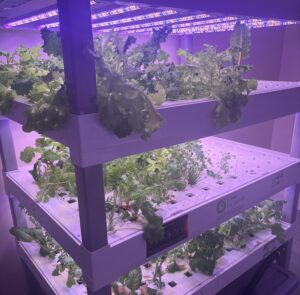
K: Well, seeing too when we did the site tour with Chris how you’ve also blended those two aspects of the ministry: some of the food growing, the hydroponics that you start inside and bring the kids in on that. You’re doing food justice and education combined and they aren’t two separate aspects of your mission.

A: And now we’re going to be partnering with U Penn to do some basic health screenings at TCP. Hopefully it like grows so that people can have their physical health looked at too, in places where, unfortunately, that doesn’t always happen. Jason, I’m sure you come up with plenty of issues in the ER with insurance, right? People go to the ER sometimes because they don’t have insurance.
J: We take care of you either way, but you’re not going to get comprehensive care, even holistic care. We facetiously say in the ER, (but it’s also true) you get one problem a day. We’re not going to take care of all your problems. We’ve got time for one problem. What is the thing that’s bothering you the most today (or the thing that’s trying to kill you right now), and we will address it. But it’s not going to be holistic care or even future-looking care. We’re going to deal with the most pressing issue at hand because we’ve got 50+ people in our waiting room all with issues.
A: As someone working in community mental health, I can resonate with that. Our clients have a myriad of mental health issues and also face housing insecurity; and now food stamps are being cut. What’s the one thing we can tackle for this hour? It’s not all the things.
K: Well, then you’re like, “Do you really have anxiety, or are you just in a terrible situation.” Then anxiety is just a normal reaction to your circumstances.
J: Just like when coming to an ER, when you’re dealing with poverty, you can’t think weeks or even days ahead. You can’t be strategic or think about the future. When you’re in that vicious cycle already, you can only deal with the biggest problems at hand, food, shelter, etc. Your problems have gotten to the point of crisis. Once it’s a crisis, it takes way more resources and momentum to fix. And then you’re just taking those resources from the ability to plan down the road. To bring it back to the food piece: if you stabilize the crisis, then maybe you can start to think about generating some momentum toward actual more holistic wellness.
Stay tuned for Part 2 of our conversation with Kari and Jason! And if you’re feeling as moved as they are to give to TCP or pledge in 2026 Click Here!